
Colorectal Surgery in Malaysia Explained: Terms, Tests and Related Questions
What a colorectal surgeon actually looks after
Colorectal surgery is the branch of surgery that deals with the colon, the rectum and the anus. That sounds narrow until you list what lands there: bleeding piles, fissures, diverticular disease, inflammatory bowel conditions, polyps and colorectal cancer. Many of these are managed without an operation at all. The surgeon is often the person who investigates, explains the options and only then decides whether surgery makes sense.
People in Malaysia often delay this conversation because the symptoms feel embarrassing. A change in bowel habit that lasts weeks, blood in the stool or unexplained weight loss are signs worth discussing with a doctor rather than hiding. Reading one hospital’s colorectal service overview can help you understand what the specialty covers, so the first conversation feels less strange.

Colonoscopy is often the first real step
Before anyone talks about surgery, they usually want to see inside. A colonoscopy uses a thin flexible camera to look at the lining of the large bowel. It can find the cause of bleeding, check a suspicious area and remove small polyps during the same procedure.
The part people dread is usually the bowel preparation the day before, not the test itself. The NHS colonoscopy guide explains preparation, sedation and recovery in plain language, and it matches what most patients describe afterwards.
A two-minute NHS walkthrough of the procedure, from preparation to recovery.
Words that turn up in surgical conversations
Medical letters can read like code. A few terms come up again and again in colorectal care:
Resection means removing a section of bowel and usually joining the healthy ends together. Laparoscopic or keyhole surgery uses small cuts and a camera instead of one large opening. Stoma refers to an opening on the tummy wall where waste leaves the body into a bag, sometimes temporarily while the bowel heals. Histology is the lab report on tissue removed during a procedure, and it often decides what happens next.
Knowing these words will not make decisions for you. It does make it easier to follow what the team is saying and to ask the right follow-up question.
It is also fine to ask a doctor to draw a simple sketch. Many surgeons do this naturally, and a rough diagram of where a polyp or a narrowed section sits often makes more sense than a page of medical terms.
When the gallbladder or the knee joins the story
Families often juggle several health issues at once, and the vocabulary blurs. Gallstones are a good example. They sit in the gallbladder, not the bowel, but upper tummy pain after fatty meals sometimes sends people to a general or digestive surgeon first. NIDDK’s gallstones overview explains symptoms and complications clearly. For a Malaysian perspective, a plain explainer on gallbladder stone procedures covers how keyhole removal is usually described to patients.
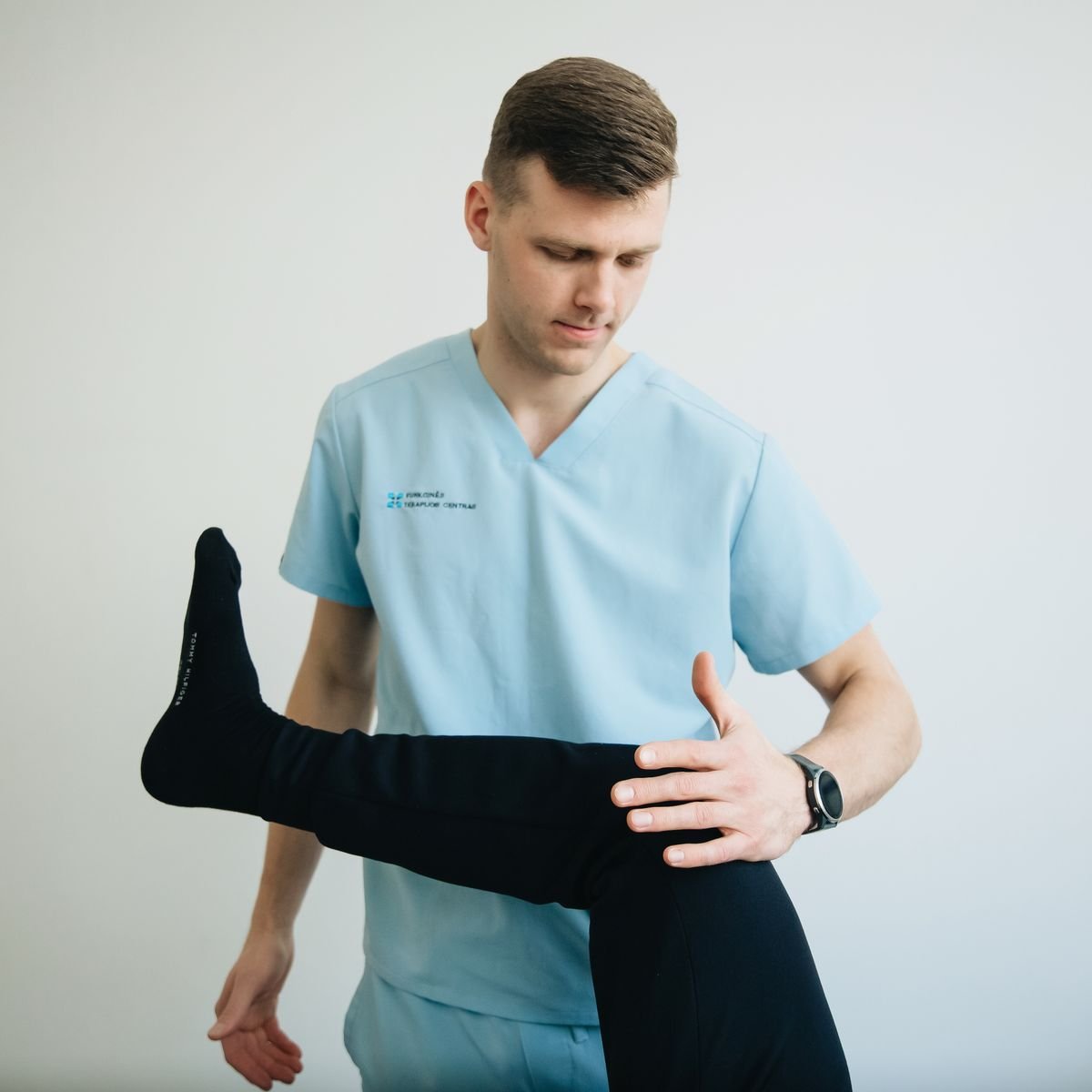
Knee injuries are a completely different field, handled by orthopaedic teams rather than colorectal surgeons. Still, the same habit helps: learn the basic terms before you are in the room. OrthoInfo’s page on common knee injuries explains ligament, meniscus and fracture terms, and a separate article on knee assessment describes the scans and tests that often follow a sports twist.
Keeping a simple record before any specialist visit
Whatever the specialty, doctors work better with good information. Keep a short note on your phone: when symptoms started, what makes them better or worse, any changes in weight or appetite, and a list of every medicine and supplement you take. Bring previous scan reports and blood results if you have them.
Write down your three most important questions in advance. Conversations move fast, and it is easy to walk out remembering only half of what was said. Bringing a family member to take notes is common and perfectly acceptable. This article is general education only. Decisions about tests and treatment belong with the clinicians who examine you.