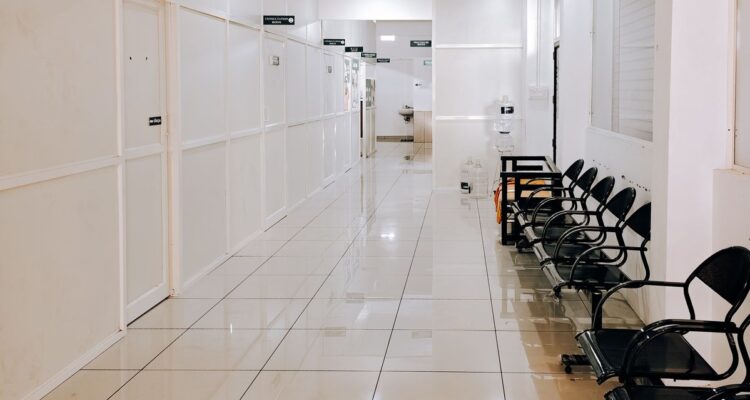
Health Screening in Nilai or Kuantan: What the Package Covers
A health screening package is a planned set of tests and consultations, usually done on a booked day, to look for risk factors and early signs of common illness. It is not an emergency visit, and it is not a treatment or a cure. In Malaysia, many people use a private hospital for this, including hospitals in Nilai, Negeri Sembilan, and in Kuantan, Pahang. The useful work is to know what the package actually includes, how the day runs, and who follows up once the results are out.
What a health screening is for, and what it is not
The World Health Organization’s fact sheet on noncommunicable diseases puts detection and screening among the core parts of the response to long-term conditions such as heart disease, stroke, cancer and diabetes. It also records that cardiovascular diseases still account for most of those deaths worldwide. Screening is a way to find raised blood pressure, blood sugar or cholesterol, and some other problems, before they are obvious. It does not replace care if you already have symptoms, and a normal report is not a lifetime guarantee.
The NHS describes its NHS Health Check as a check of the heart and blood vessels, used to discuss a person’s risk of heart disease, diabetes, kidney disease and stroke. Private packages in Malaysia are not the same programme, but the idea is similar: measure, talk through the findings, and decide what to do next. If you already have chest pain, unexplained weight loss, or another urgent symptom, that belongs in a clinic or emergency department, not in a waiting list for a wellness package.
An NHS film on why a structured health check is offered, and what kind of risks it is meant to discuss. Malaysian hospital packages differ in scope and price, but the basic purpose is similar.
Using a private hospital in Nilai for the day
Location and logistics matter as much as the brochure. The hospital campus in Nilai, Negeri Sembilan is a private specialist hospital that, on its own page, dates the site to 1999, when it was known as NCI Cancer Hospital and later as Nilai Medical Centre. It now lists more than 30 medical specialties and a team of more than 90 healthcare professionals, and it cites MSQH 5th Edition hospital accreditation for 2022 to 2026 plus Joint Commission International (JCI) accreditation. Those are quality marks to be aware of. They are not a reason to treat any one hospital as “the best”.
For a screening day, ask how admission, billing and insurance or letter-of-guarantee paperwork is handled, whether you can walk in or must book, and how results are returned. The same Nilai page mentions walk-in outpatient services, health screenings, and 24-hour emergency care, which is relevant if a test result or a symptom needs same-day attention. Also ask how long the visit usually takes, whether you should arrive fasting, and whether breakfast is provided after blood is taken.
What a typical package in Nilai actually includes
Packages are usually sold in tiers, from a basic panel to a fuller one. The published health screening packages at that Nilai hospital describe a range from a basic package through to fuller Signature packages. Across those tiers, the listed elements typically include a pre-screening doctor’s consultation and physical examination, body measurements, blood investigations, a cardiac examination, radiology, a post-screening consultation and report, and breakfast or brunch. The hospital’s own FAQ adds that a full package can include blood analysis, an ECG, cancer markers and specialist consultations.
The right tier depends on your age, sex, family history and what you already know about your health, not on a label such as “best package”. If you already have a recent scan or a specialist letter, take it with you so tests are not repeated without a reason. Prices are published on the hospital page and can change, so confirm the current list when you book.
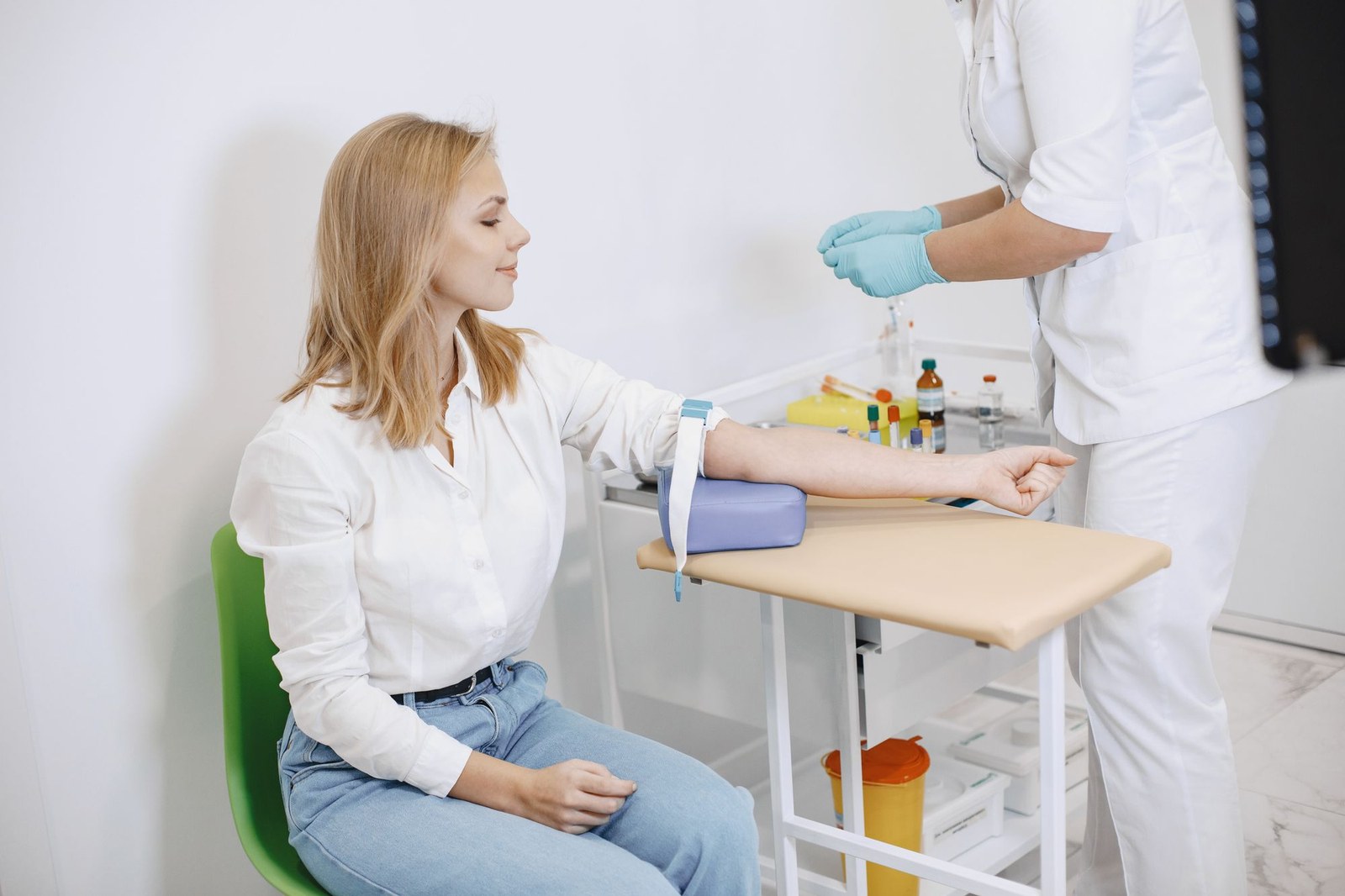
If you are in Kuantan, the same questions still apply
The same checklist travels. Aurelius Hospital Pahang, formerly Pahang Medical Centre, is described as sitting in the heart of Kuantan, with a team of 17 specialists across 12 disciplines and more than 15 medical specialties. The page also says the hospital offers medical check-ups and health screening packages, and that it provides 24-hour emergency and trauma care.
If you live in Pahang, or are splitting time between the Klang Valley and the East Coast, the practical questions do not change: what is in the package, who explains the results, how imaging and blood work are done on the same day, and what happens if a finding needs a specialist in cardiology, gynaecology or another field already on site. Do not choose a hospital only because a headline calls it the “best” in town. Choose the one whose package, follow-up path and location you can actually use.
After the results: who follows up
A screening day ends with a report, not with a treatment plan automatically in place. Ask who walks you through the findings, how soon the written report is ready, and whether abnormal results are flagged by phone. If a test suggests a problem, you should leave with a named next step: a repeat test, a referral, or a planned review, rather than a folder you do not understand. Keep copies with your usual doctor’s notes. Screening is useful when it changes what you do next. It is not a substitute for care, and it is not a promise that nothing will ever be found later.